Independent Game Developers
Goals
- Find a trusted publishing partner
- Understand services
- Evaluate credibility
- Learn the publishing process
- Contact the team
Pain Points
- Uncertainty
- Limited resources
- Finding the right partner
01 / One True King Media
Optimizing user journeys, information architecture, and conversion strategy across gaming publishing and premium gaming hardware.
Role
Timeline
Platforms
Focus Areas
01
Overview
Gaming audiences have exceptionally high expectations for digital experiences.
Whether evaluating a publishing partner or purchasing a premium gaming PC, users expect websites that communicate credibility, reinforce brand identity, and guide them naturally toward meaningful actions.
This project focused on designing and analyzing conversion-focused digital experiences for two distinct gaming brands: Mad Mushroom and Starforge Systems. Although each serves a different audience, both experiences rely on the same UX principles.
Shared UX principles
02
The Challenge
Despite different audiences, both experiences shared a common objective: reduce uncertainty, increase confidence, and guide users naturally toward action.
Publishing Funnel
E-Commerce Funnel
Future UX Strategy Diagram
Compares how confidence is built across two distinct conversion paths.
03
Understanding Users
Goals
Pain Points
Goals
Pain Points
04
Research & Discovery
Research focused less on individual pages and more on the decision-making sequence — what a developer or a buyer needs to believe, and in what order, before they are willing to act.
I audited how competitors sequenced their content, mapped every conversion path, and studied where hierarchy failed to answer the next question a user was asking.
I also conducted user interviews with indie developers and gaming consumers to understand how they evaluate partners, compare products, and decide when to take the next step.
Research activities
Benchmarked publishing and hardware brands to find where each category sets user expectations.
Mapped how content should be grouped, labeled, and prioritized across both experiences.
Defined what each section must prove before the next one earns attention.
Traced every path from first impression to inquiry or checkout, and where they leak.
Compared developer evaluation behavior against consumer purchase behavior end to end.
Audited scale, contrast, and rhythm to make the most important message unmissable.
05
UX Strategy
01
Order content by the question the user is asking at that moment, not by internal org structure.
02
Reveal complexity only as the user signals readiness for it — depth on demand, never upfront.
03
Distribute proof across the journey: story, work, results, process, and people.
04
Use voice, imagery, and motion to make each brand feel unmistakably itself.
05
Repeat clear, low-friction calls to action at every point where confidence peaks.
06
Mad Mushroom
UX Analysis
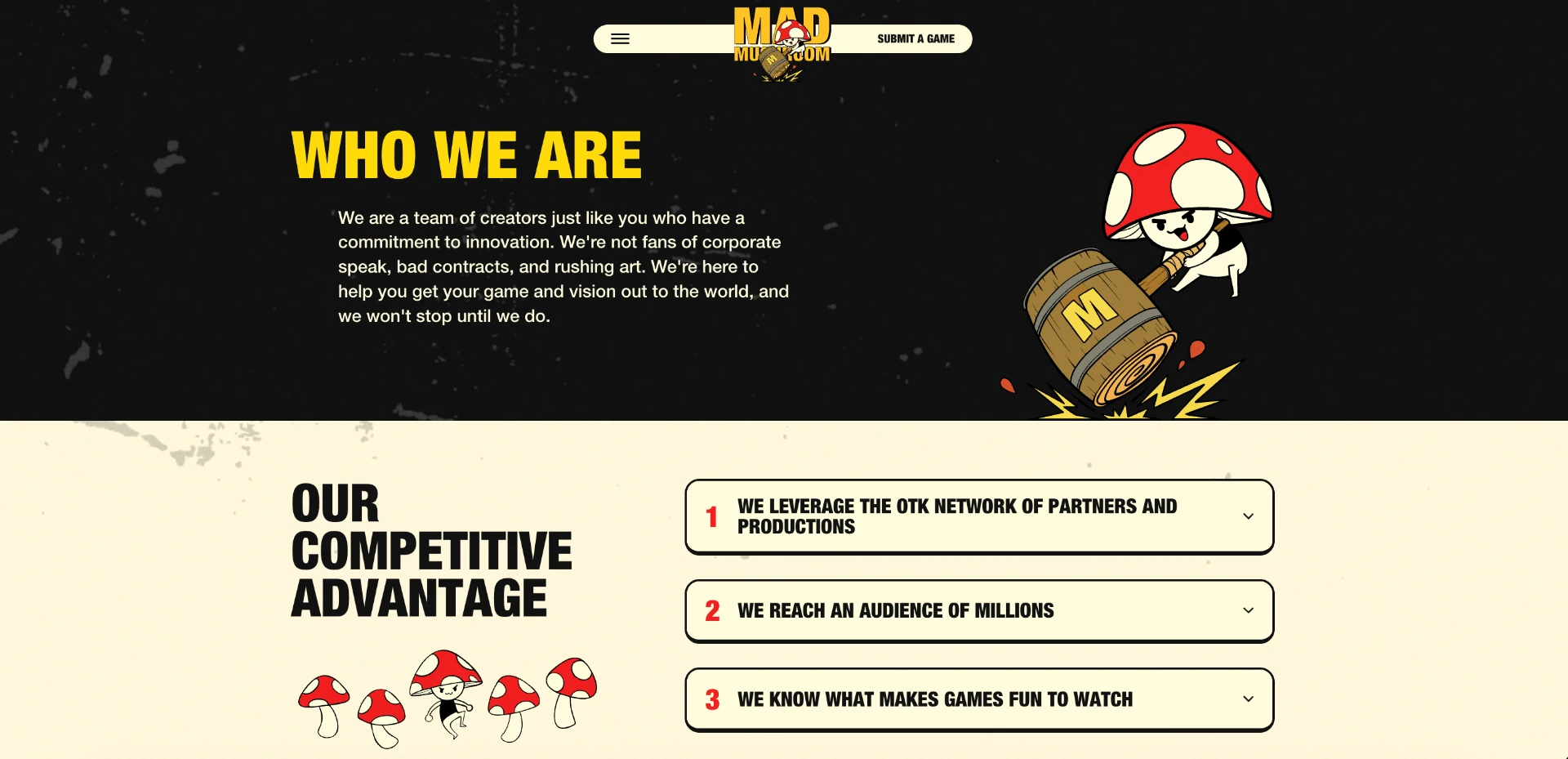
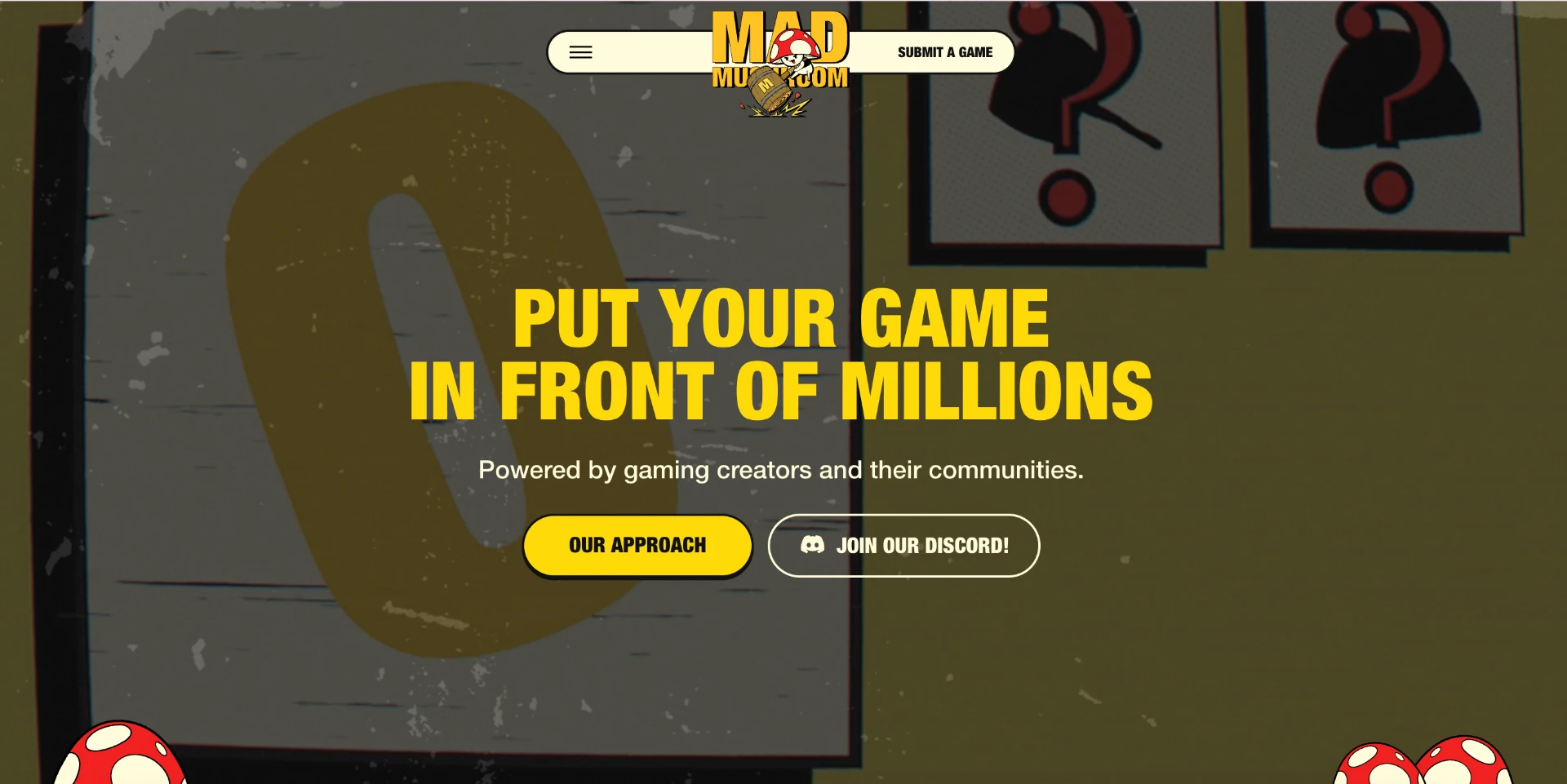
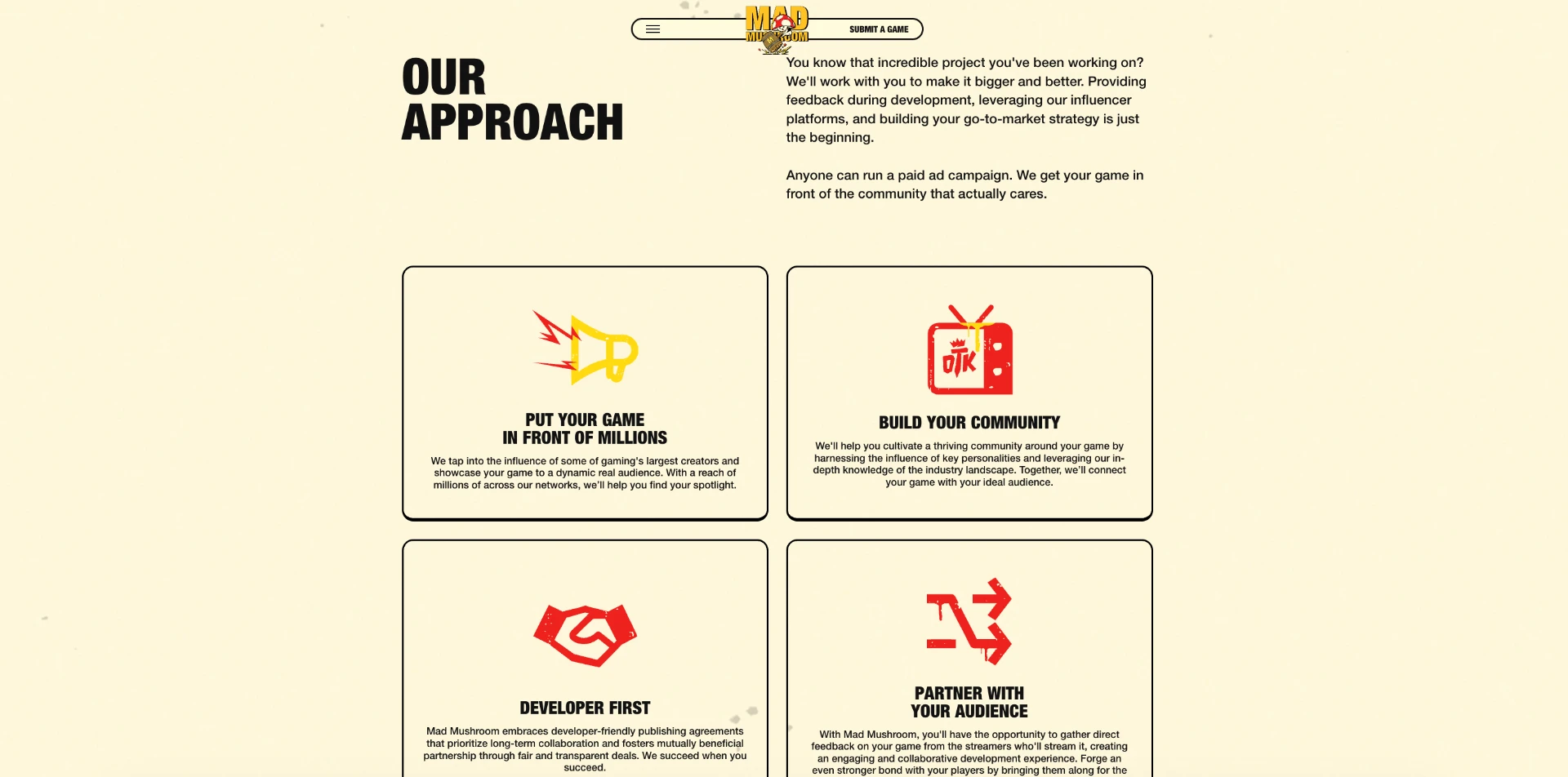
The landing page emphasizes credibility before conversion.
The strategy leans on pre-established credibility and takes a minimalist approach to keep the excitement going without overwhelming the user. As the user invests more attention, the experience gradually elaborates on the details of the services. From there, they can get in touch or explore the rest of the site — games, news, and about us — before deciding to reach out.
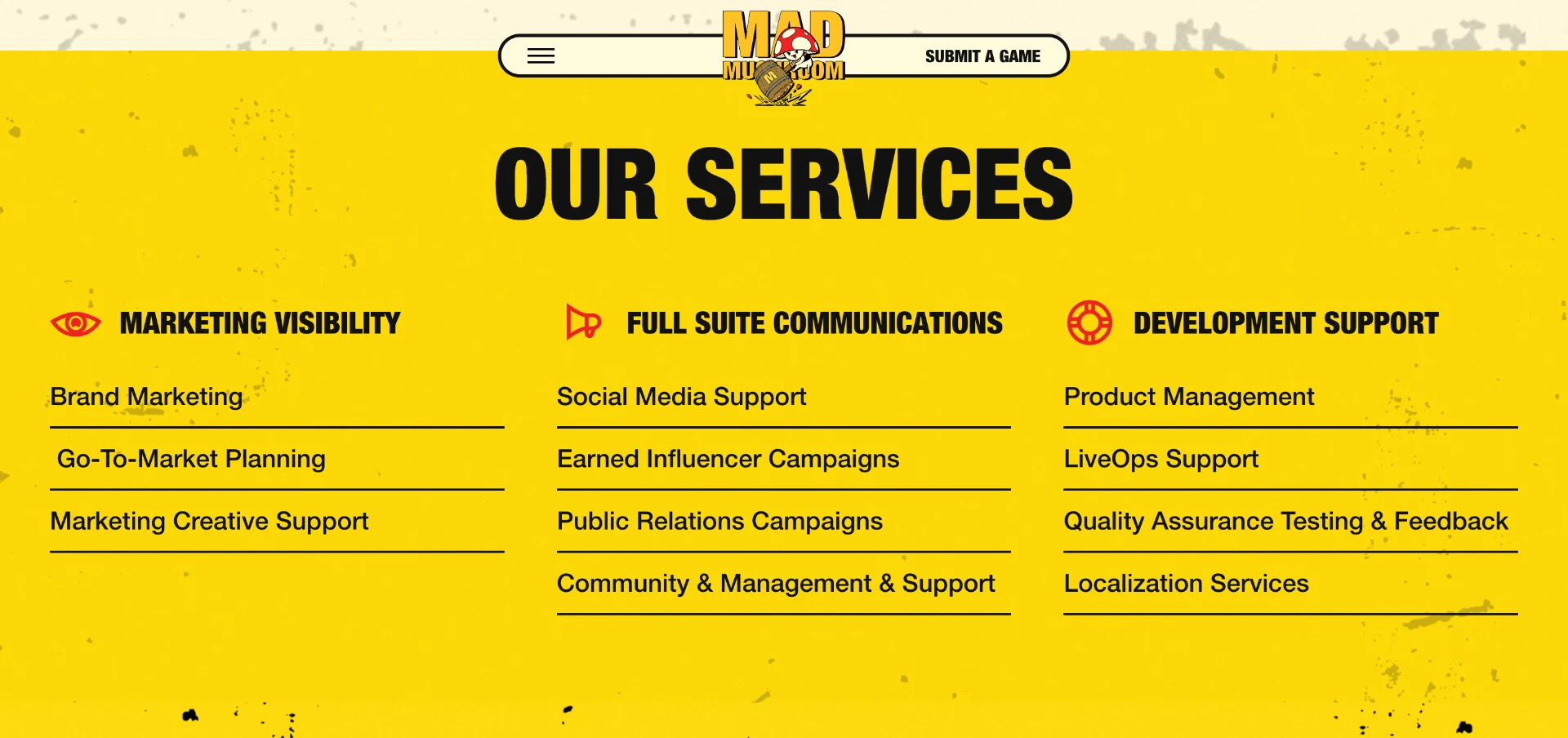
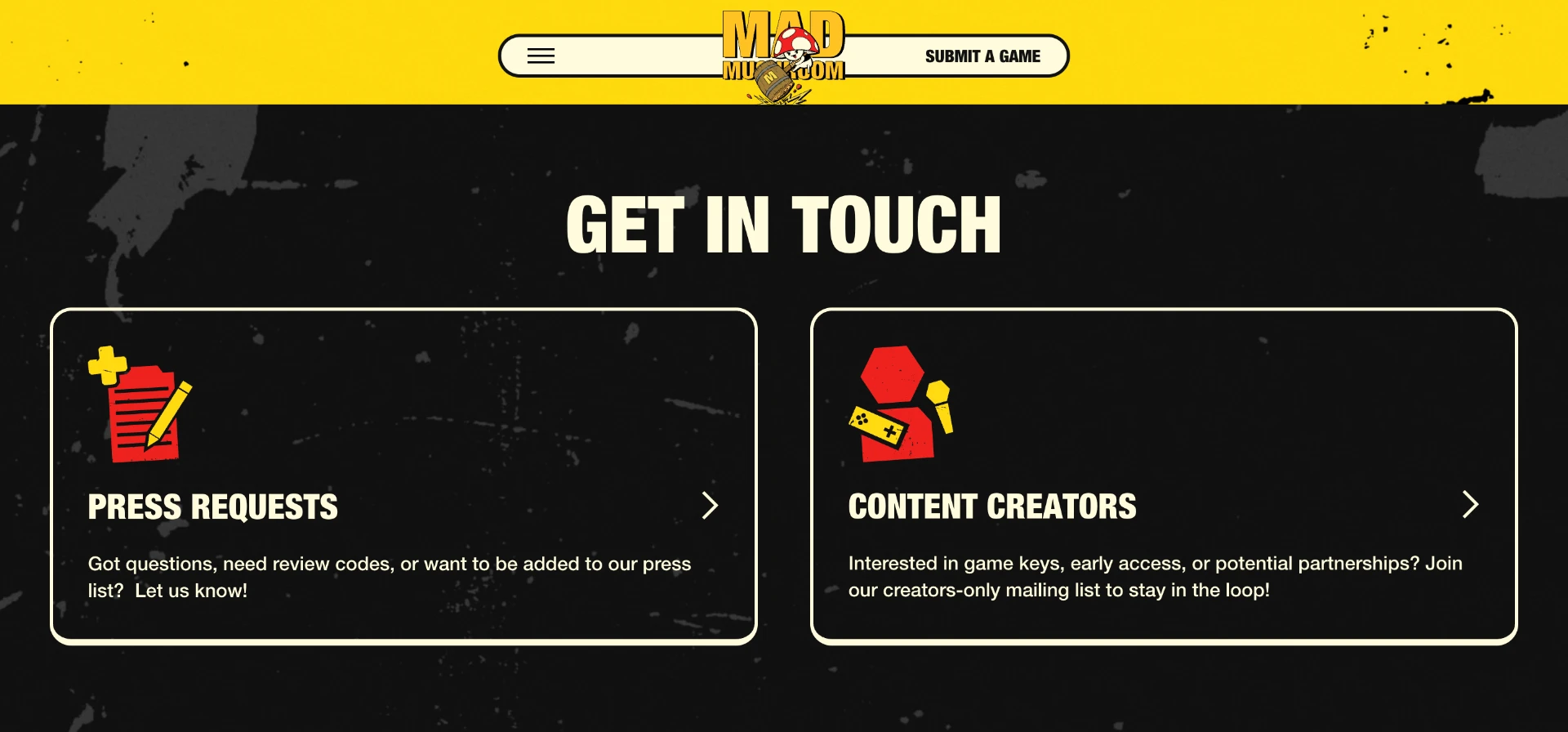
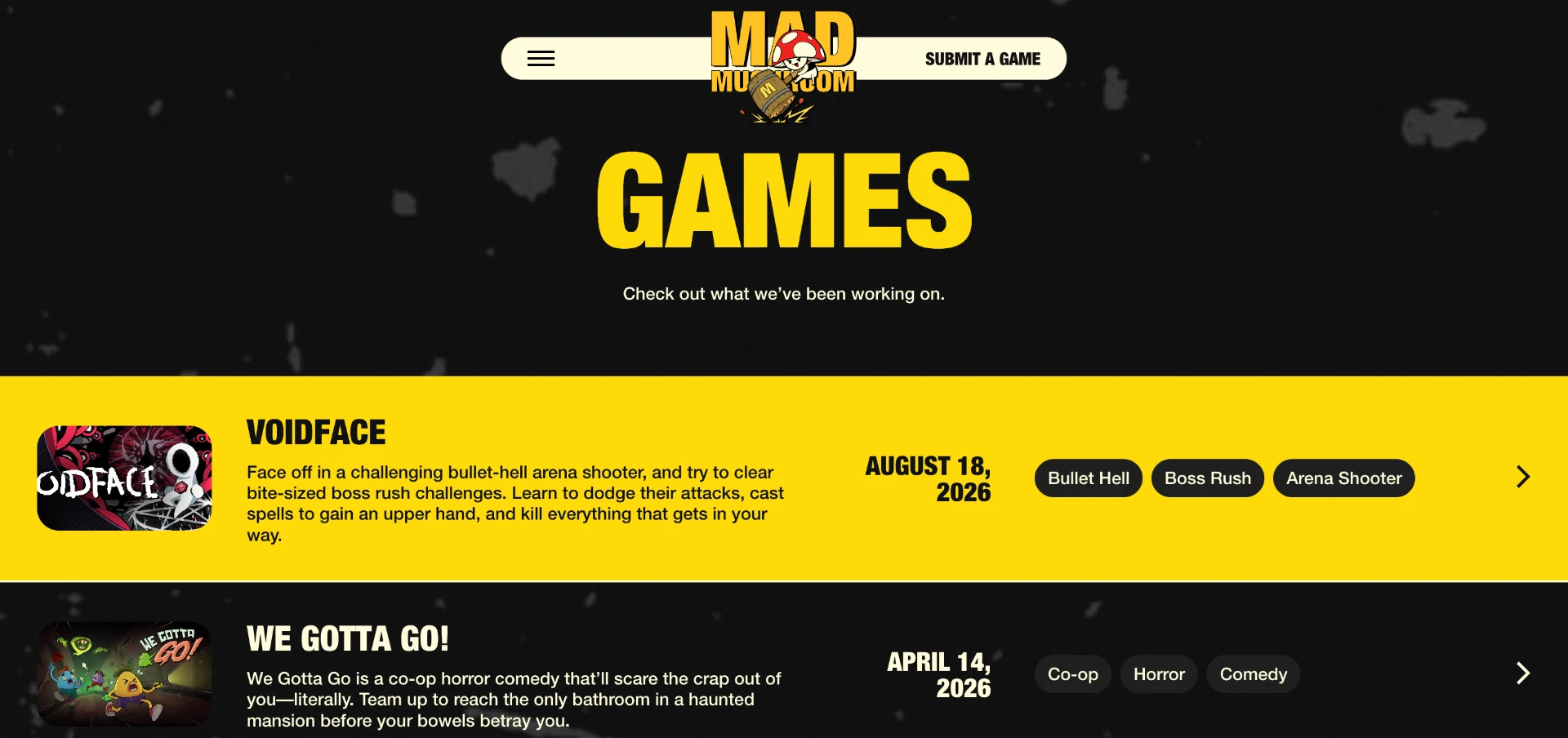
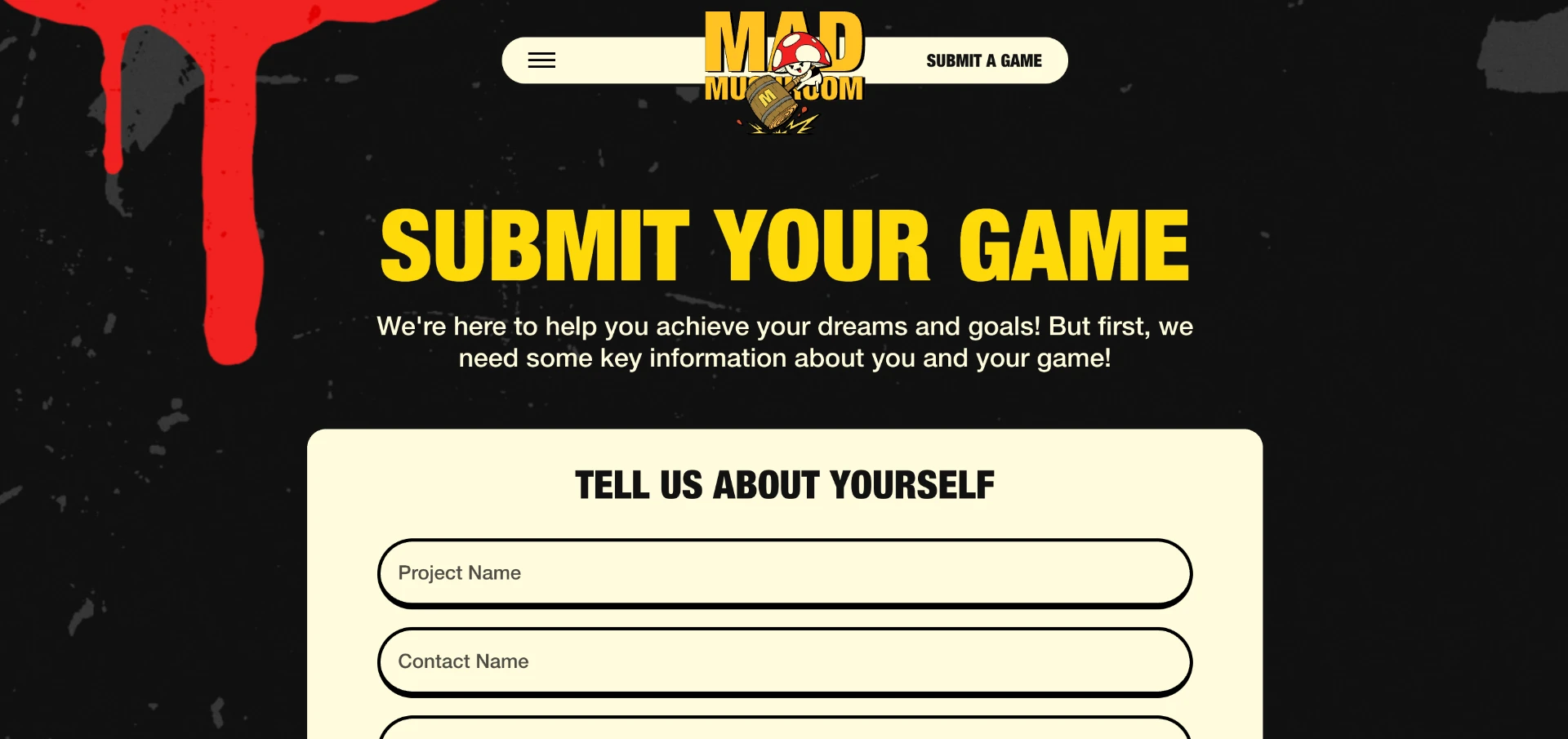
Conversion Journey
01
Landing Page
02
Brand Story
03
Publishing Philosophy
04
Featured Games
05
Services
06
Developer Confidence
07
Contact
07
Starforge Systems
UX Analysis
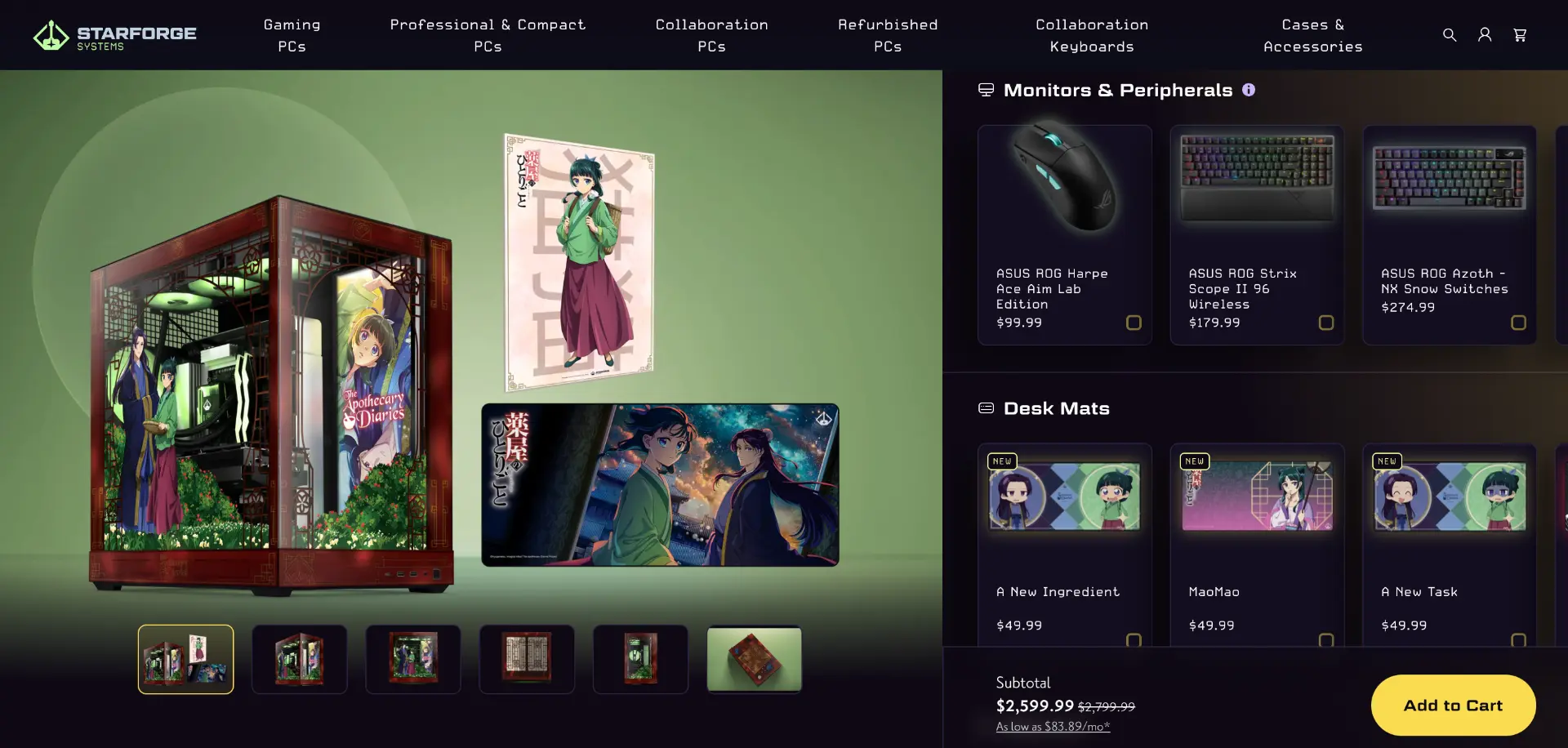
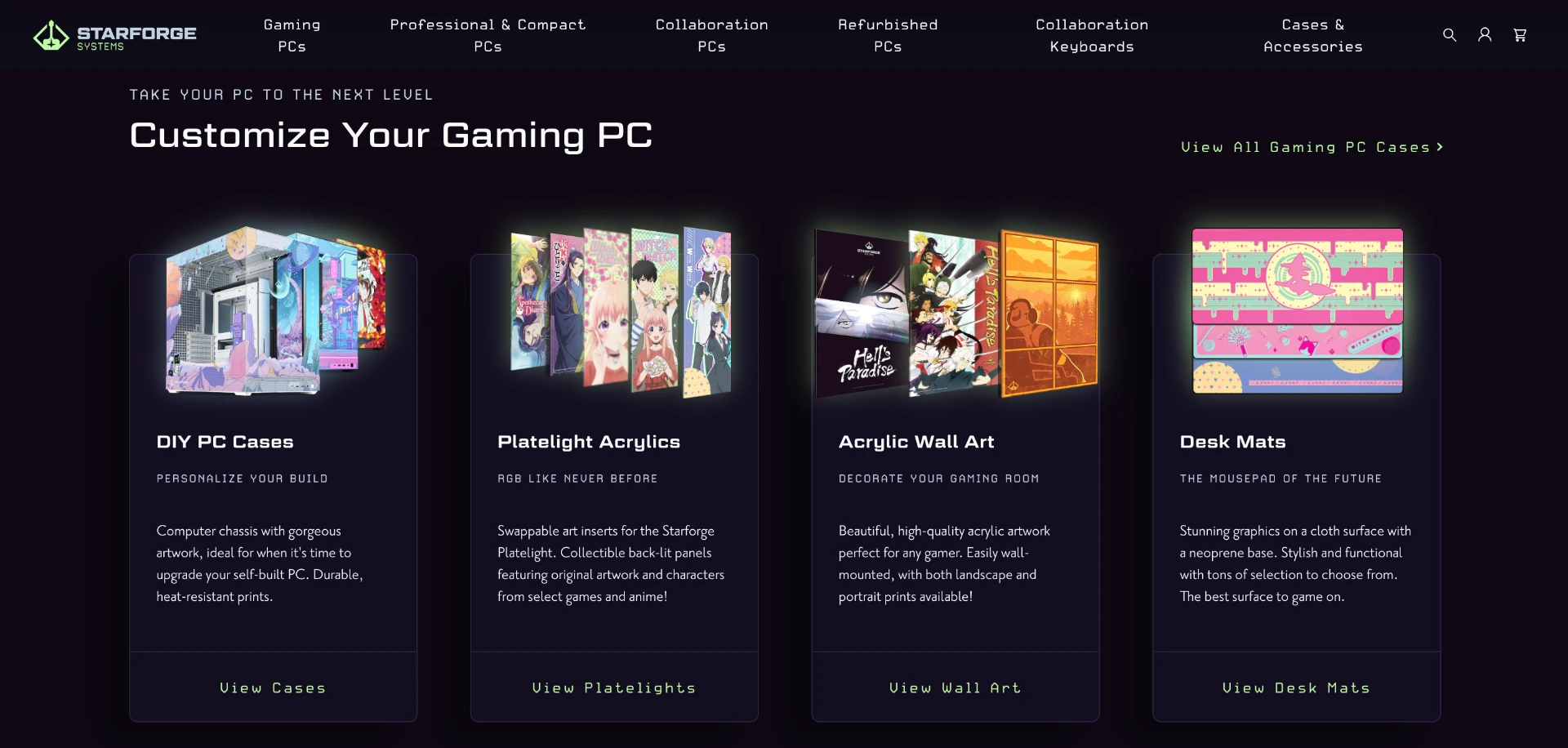
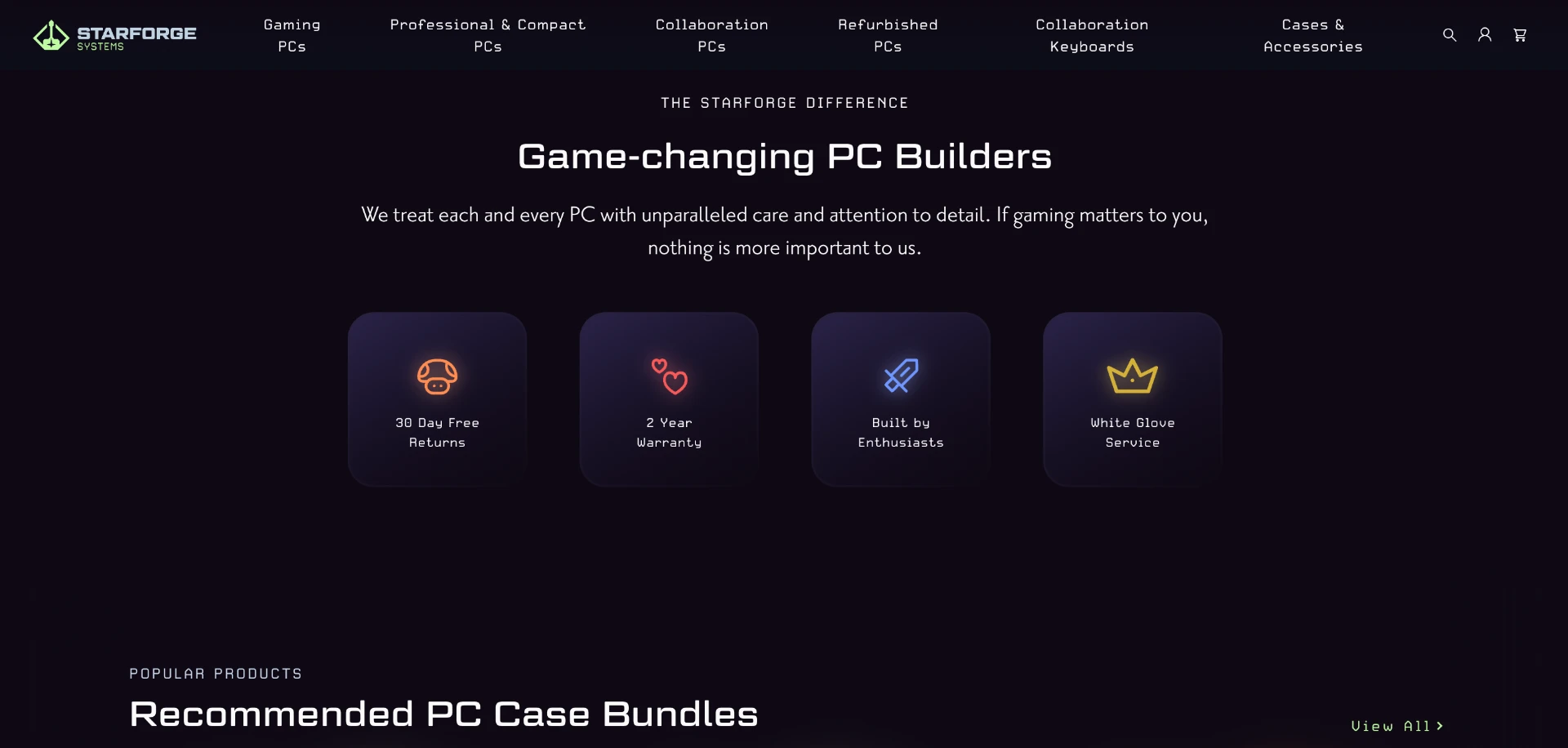
The homepage establishes premium positioning before introducing technical complexity.
Rather than overwhelming users with specifications immediately, the experience gradually builds confidence — earning the right to talk about hardware only once the buyer believes in the brand.
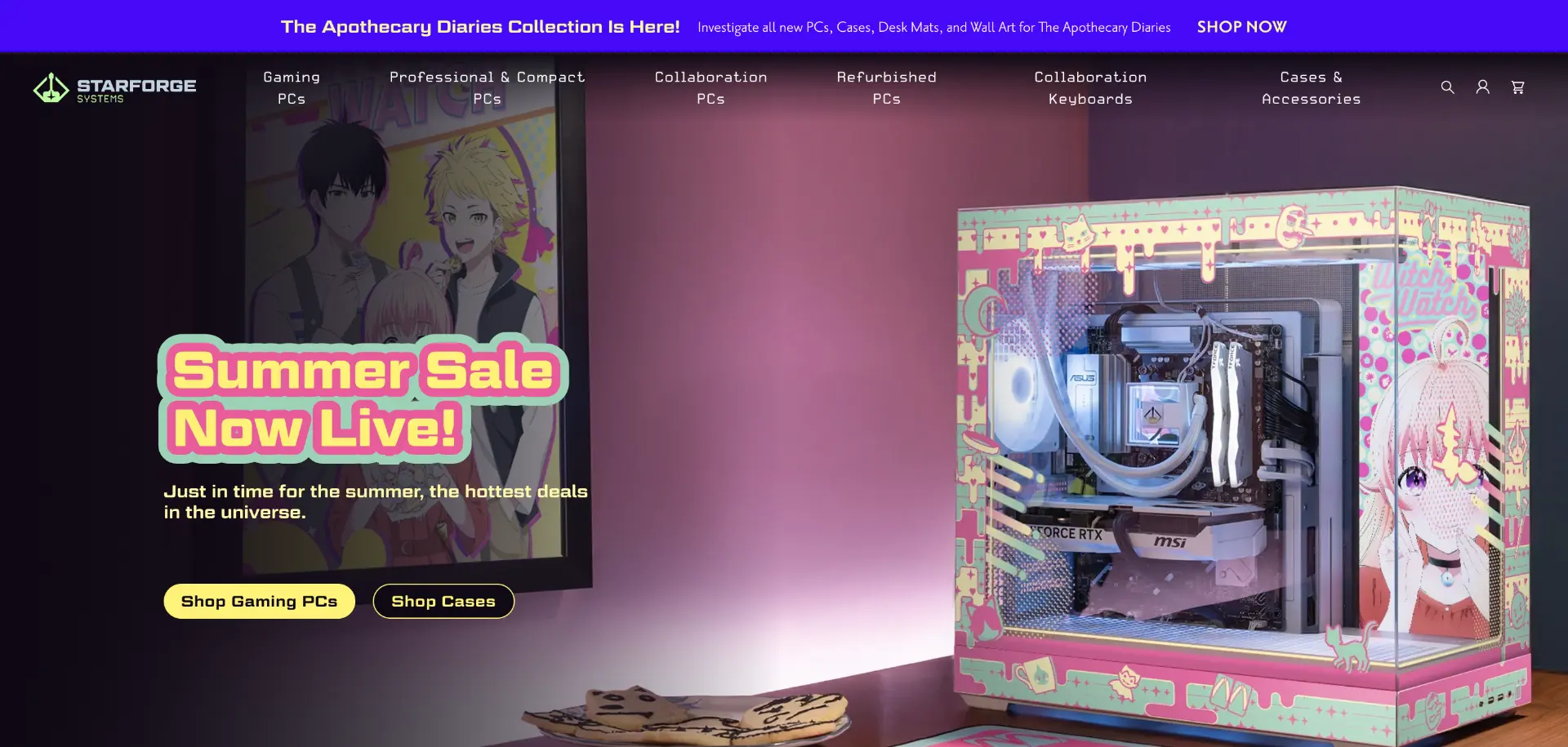
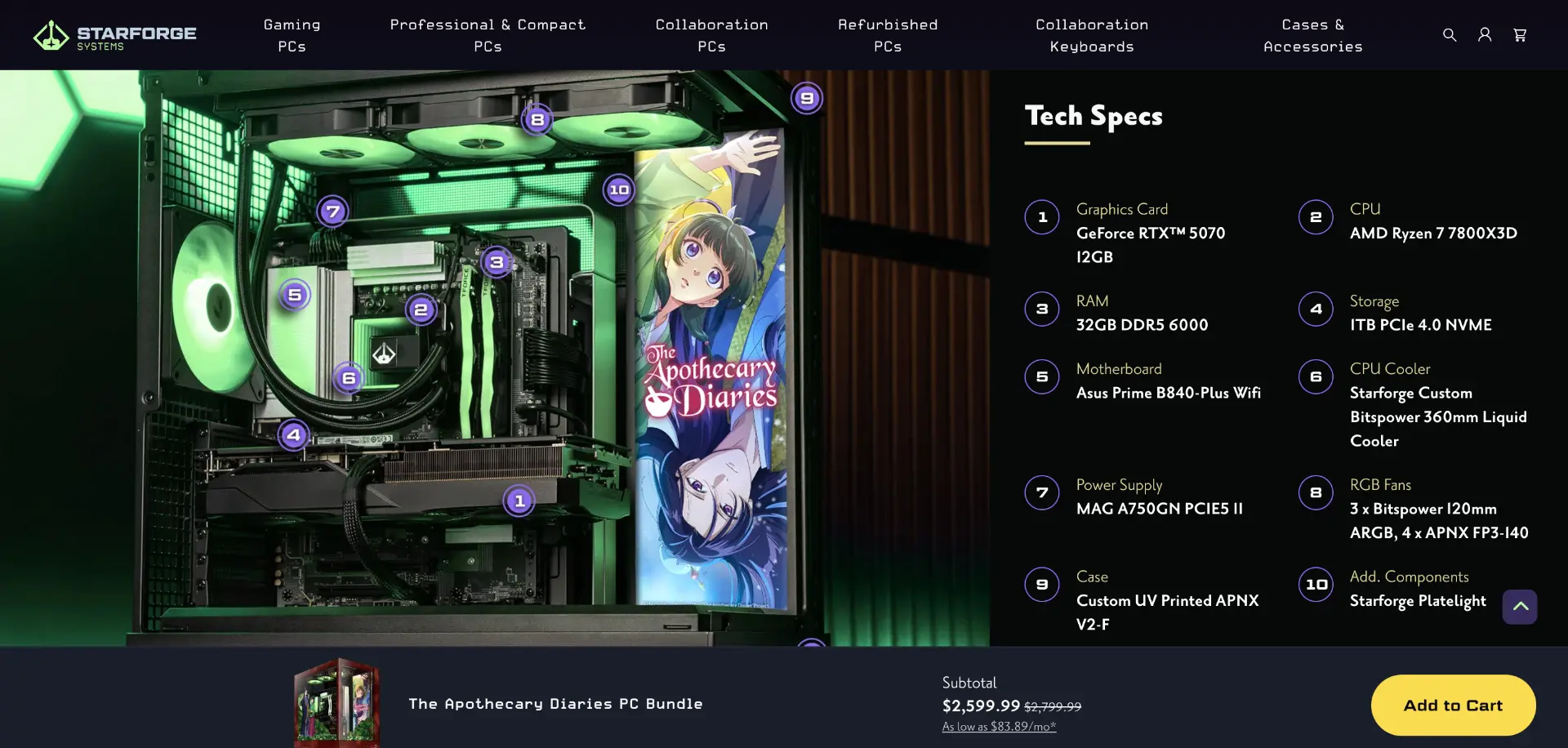
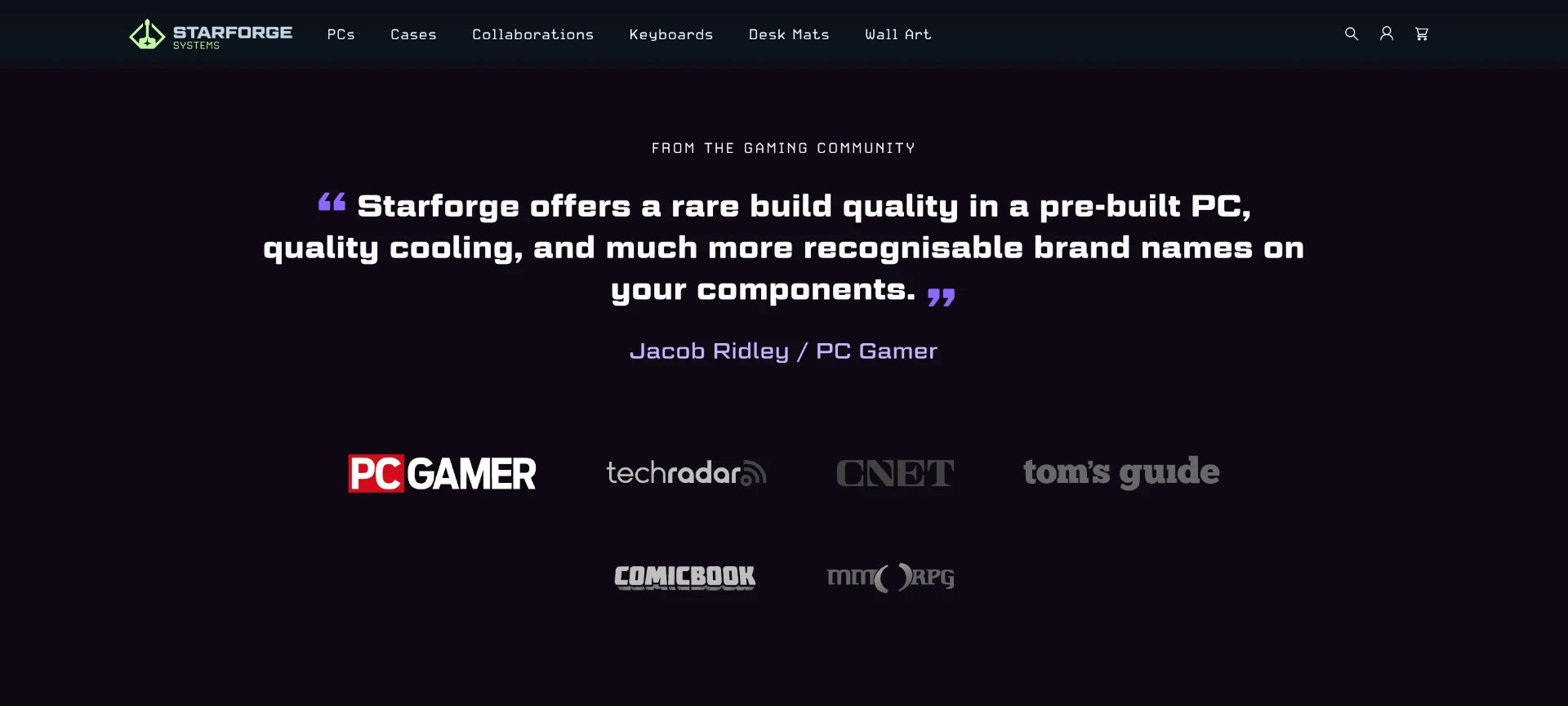
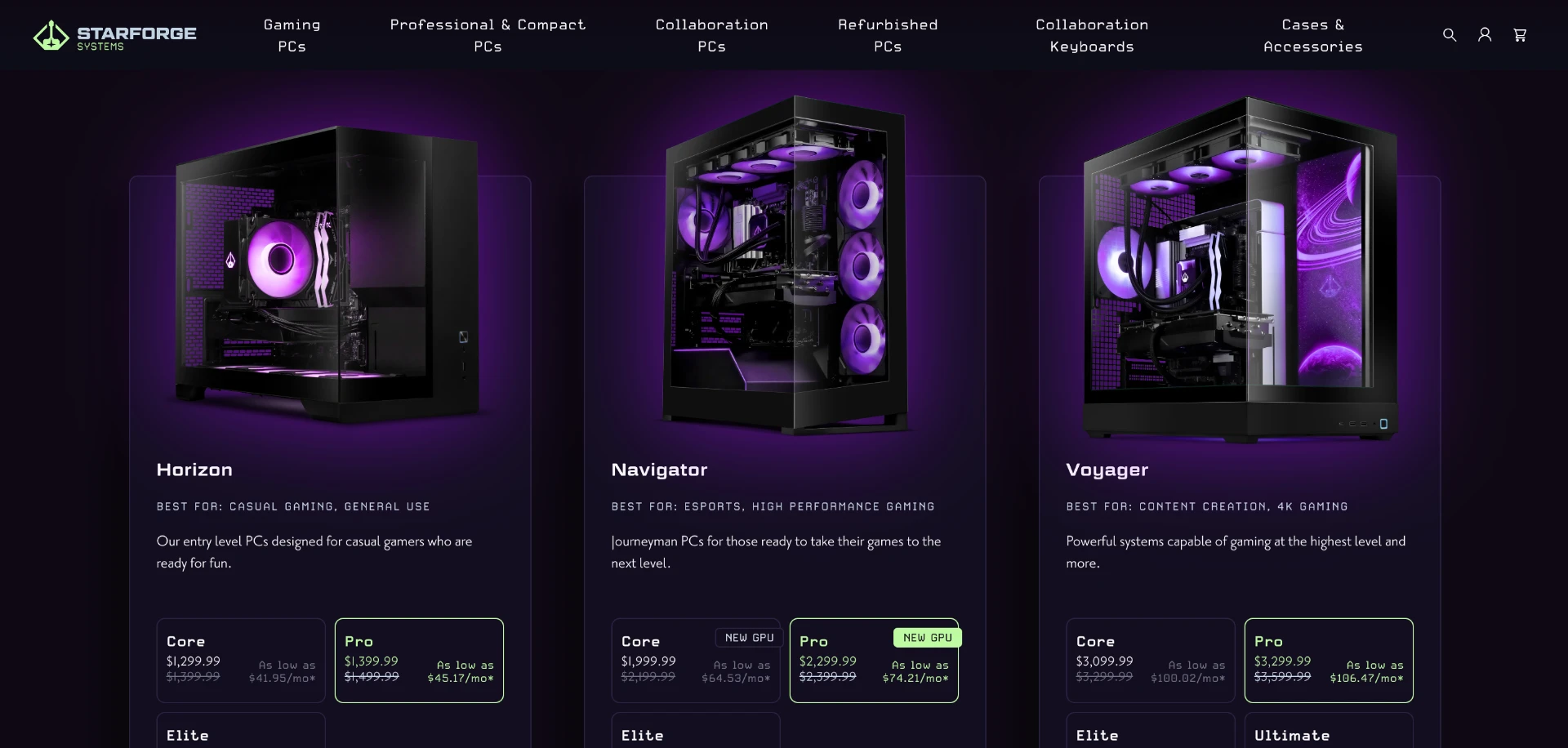
Conversion Journey
01
Landing Page
02
Gaming Identity
03
Featured Collections
04
Performance Validation
05
Product Exploration
06
Configuration
07
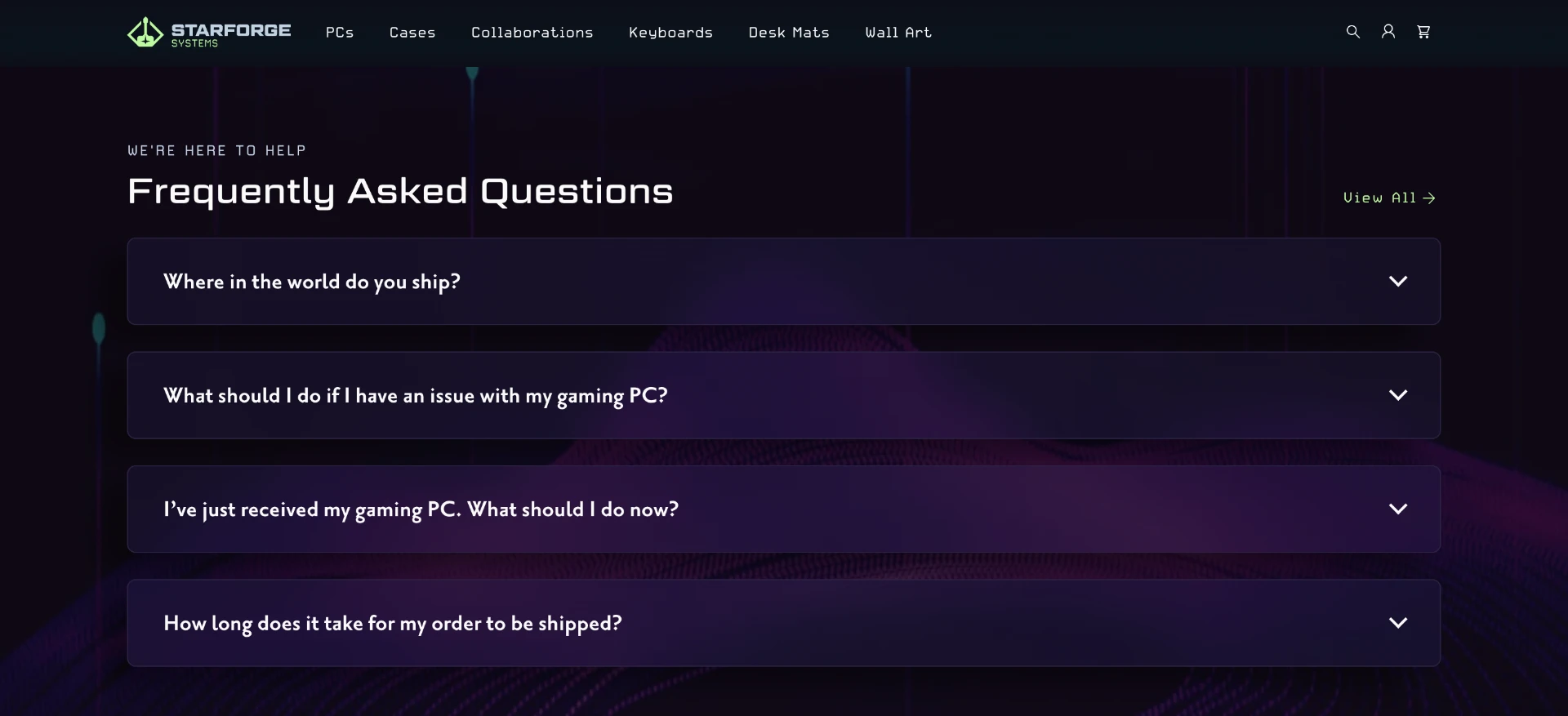
Trust Building
08
Checkout
UX Decisions
Presentation sets price expectation before specs appear.
Technical depth surfaces only when requested.
Collections organized around play, not part numbers.
Benchmarks framed as experiences, not numbers.
Warranty, build quality, and support placed at decision points.
Sensible defaults with clear, guided customization.
08
Outcomes
01
Content sequenced so users find the answer they came for without hunting.
02
Guided configuration and curated collections replaced open-ended complexity.
03
Brand narrative carries users into the detail instead of competing with it.
04
Clear, repeated actions at every point where user confidence peaks.
05
Modular sections that adapt as products, games, and services expand.
06
Shared patterns across both brands without flattening their identities.
09
Reflection
This project reinforced that effective digital experiences are not defined by individual pages but by the journeys they create.
Whether designing for independent developers or gamers purchasing premium hardware, every interaction should reduce uncertainty, communicate value, and naturally guide users toward meaningful action.
Next case study